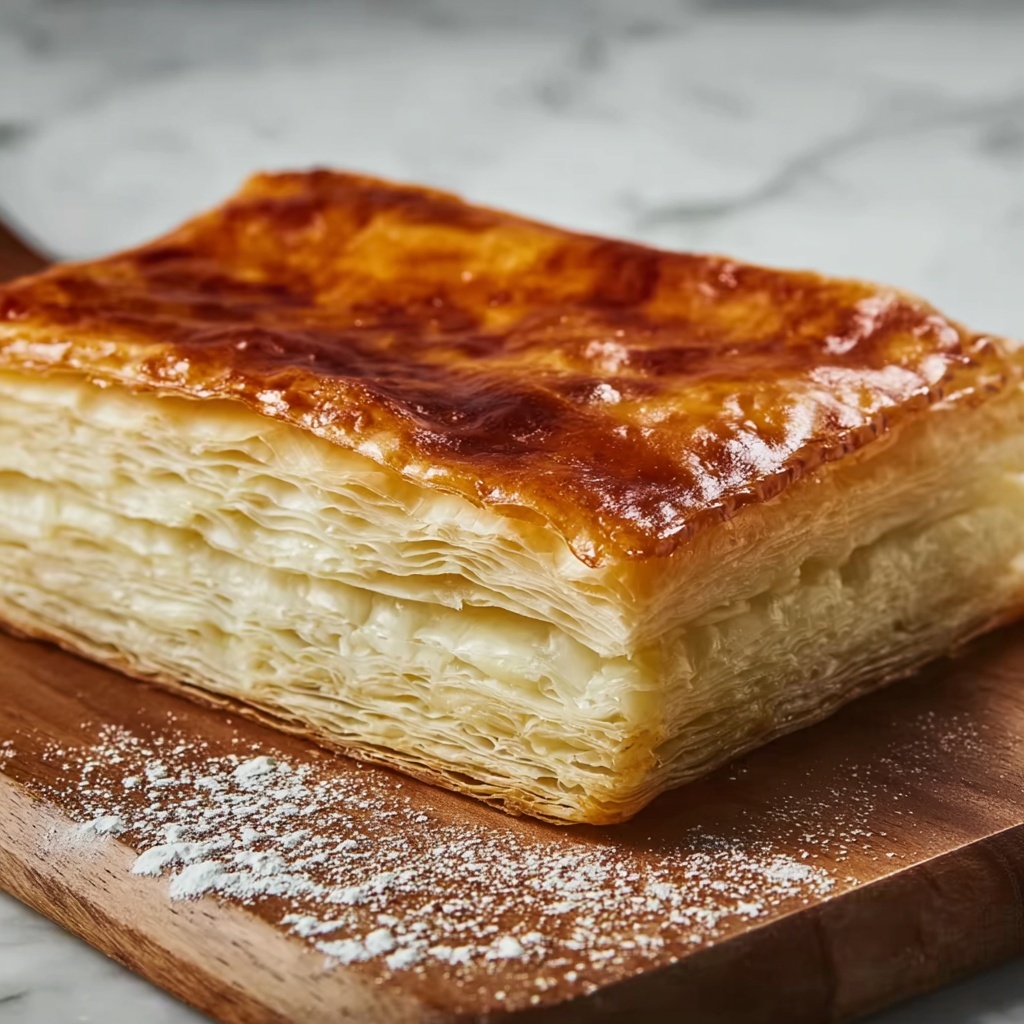
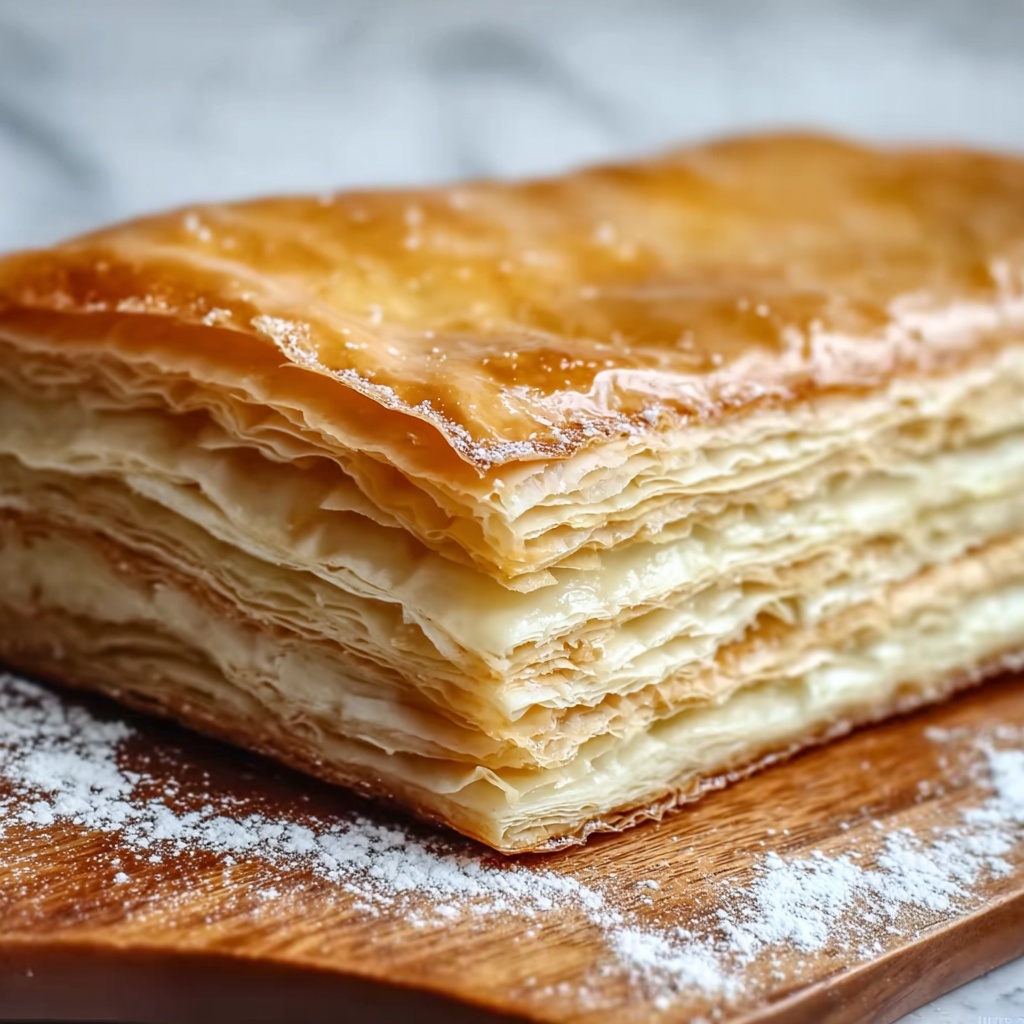
If you’ve ever dreamed of baking flaky, buttery pastries straight from your own kitchen, this Homemade Puff Pastry Recipe is exactly the treasure you’ve been waiting for. Puff pastry may seem intimidating at first glance, but once you master this recipe, you’ll be amazed at how simple and rewarding it is to create those irresistible, airy layers that puff up beautifully in the oven. This recipe blends basic pantry staples into a dough that becomes a blank canvas for everything from delicate tarts to savory appetizers. There’s something so satisfying about rolling out the dough and watching it transform into light, crisp layers through your very own effort, making every bite feel like a little celebration.
Ingredients You’ll Need
Creating the perfect puff pastry hinges on a handful of simple yet incredibly important ingredients. Each one plays a vital role in building the structure, texture, and flavor that make homemade puff pastry shine.
- All-purpose flour: The foundation of your pastry, providing structure and that tender crumb we all love.
- Salt: Enhances flavor and balances the richness of the butter.
- Cold unsalted butter: The star ingredient that creates those signature flaky layers when rolled and folded correctly.
- Cold water: Binds the dough together and keeps the butter chilled during mixing.
- White vinegar (optional): Helps tenderize the dough for an even flakier finish without affecting flavor.
How to Make Homemade Puff Pastry Recipe
Step 1: Prepare Your Butter and Flour
Start by cutting your cold unsalted butter into small cubes. It’s crucial to keep the butter chilled throughout the process because that’s what creates the buttery pockets that puff up during baking. In a large bowl, whisk together the flour and salt to make sure the salt is evenly distributed. This simple mix builds the perfect base for your dough.
Step 2: Mix the Dough
Add the cold butter cubes to the flour mixture and use a pastry cutter or your fingertips to incorporate the butter without melting it. You want to keep the butter visible in small, pea-sized lumps for optimal puff. Then, stir in the cold water and optional vinegar a little at a time until the dough just comes together. If it feels too dry, add a splash more water; just be careful not to overhydrate it.
Step 3: Roll and Fold the Dough
This is where all the magic happens! Roll the dough out into a rectangle on a floured surface, then fold it into thirds like a letter. Rotate the dough 90 degrees, roll out again, and fold once more. Repeat this folding and rolling sequence at least four times, chilling the dough between folds if it becomes too warm. This layering is what creates the classic puff pastry texture.
Step 4: Chill Before Baking
Once you’ve completed your folds, wrap the dough in plastic wrap and refrigerate it for at least an hour. Chilling helps firm up the butter layers so when you bake your pastry, it rises and crisps just right. From here, your homemade puff pastry is ready to use in your favorite recipes, whether sweet or savory.
How to Serve Homemade Puff Pastry Recipe

Garnishes
To elevate your puff pastry dishes, consider garnishing with fresh herbs like thyme or rosemary for savory items, or a dusting of powdered sugar and a brush of apricot glaze for sweet creations. These touches add both aroma and an inviting finish that makes your dish look as good as it tastes.
Side Dishes
Puff pastry pairs beautifully with a variety of sides. For savory tarts or pies, a crisp salad with a tangy vinaigrette balances out the richness perfectly. If you’re making a sweet pastry, fresh seasonal fruit or a scoop of creamy vanilla ice cream can create an irresistible contrast.
Creative Ways to Present
Think beyond the classic square or rectangle. Try cutting the puff pastry into bite-sized pinwheels filled with cheese and herbs, or create elegant vol-au-vents stuffed with savory fillings. You can even shape it into charming little baskets for mini quiches or desserts, turning your presentation into part of the delicious experience.
Make Ahead and Storage
Storing Leftovers
Homemade puff pastry dough can be kept in the refrigerator for up to 48 hours after making. Just make sure it is tightly wrapped in plastic to prevent it from drying out or absorbing other fridge odors. For baked goods made from puff pastry, store them in an airtight container at room temperature if you plan to eat them within a couple of days.
Freezing
If you want to prepare your puff pastry dough in advance, it freezes beautifully. Wrap the dough tightly in plastic wrap and place it in a freezer-safe container or bag. It can stay frozen for up to 2 months. When you’re ready to use it, thaw it overnight in the refrigerator while still wrapped to keep the layers intact.
Reheating
To bring your puff pastry back to life after storage, reheat it in a preheated oven at about 350°F (175°C) for 5-10 minutes. This helps refresh the crispiness without making the pastry soggy or overcooked. Avoid microwaving as it can make the pastry rubbery or chewy.
FAQs
Why is cold butter important in this Homemade Puff Pastry Recipe?
Cold butter ensures that the layers remain distinct and creates steam during baking, which makes the dough puff up and become flaky rather than greasy or dense.
Can I use margarine instead of butter in this recipe?
Butter has a specific fat content and flavor that creates the best puff pastry. Margarine may have more water or additives, which can affect the flakiness and taste, so butter is highly recommended.
How long should I chill the dough between folds?
Chilling for about 20-30 minutes between folds is ideal to keep the dough cool and the butter firm, preventing it from melting into the flour and ruining the layers.
Is vinegar really necessary in the dough?
Vinegar is optional but helpful; it slightly tenderizes the dough by inhibiting gluten development, leading to a flakier final product. However, you can skip it if you prefer a more traditional approach.
Can I make puff pastry by hand without a food processor?
Absolutely! Many bakers prefer mixing and folding puff pastry by hand for better temperature control and to avoid over-processing the butter, so don’t worry about needing special equipment.
Final Thoughts
This Homemade Puff Pastry Recipe opens up a world of baking possibilities that feel both indulgent and approachable. Once you conquer these steps and experience the joy of pulling a golden, flaky creation out of your oven, you won’t want to buy puff pastry from the store ever again. So grab your rolling pin, invite a friend into your kitchen, and start making puff pastry that tastes like a bakery treat made just for you.
Print
Homemade Puff Pastry Recipe
- Prep Time: 20 minutes
- Cook Time: N/A
- Total Time: 20 minutes prep + chilling and folding time (approximately 2 hours including chilling)
- Yield: 1 batch of puff pastry (approximately 2-3 cups)
- Category: Dough/Baking ingredient
- Method: Baking
- Cuisine: French
Description
This homemade puff pastry recipe guides you to create flaky, buttery layers perfect for savory and sweet dishes. Made with simple ingredients like all-purpose flour, cold butter, and a touch of vinegar, this dough is chilled and folded to develop its signature puff and crisp texture when baked. Ideal for making croissants, tarts, and turnovers from scratch.
Ingredients
Dry Ingredients
- 2 1/2 cups all-purpose flour
- 1 teaspoon salt
Wet Ingredients
- 1 cup (2 sticks) cold unsalted butter, cut into small cubes
- 1/2 cup cold water (plus more if needed)
- 1 tablespoon white vinegar (optional, but helps with the dough’s texture)
Instructions
- Combine dry ingredients: In a large bowl, whisk together the all-purpose flour and salt to evenly distribute the salt throughout the flour.
- Cut in the butter: Add the cold unsalted butter cubes to the flour mixture. Using a pastry cutter or your fingertips, work the butter into the flour until the mixture resembles coarse crumbs with some pea-sized pieces of butter remaining. Keeping the butter cold is essential to achieving a flaky texture.
- Add liquids: Slowly pour in the cold water and white vinegar (if using) while gently mixing the dough with a fork or your hands. Add just enough water for the dough to come together without becoming sticky.
- Form the dough: Gather the dough into a ball on a lightly floured surface. Flatten it into a rectangle, wrap it in plastic wrap, and chill for at least 30 minutes to relax the gluten and keep the butter firm.
- Roll and fold: On a floured surface, roll the dough into a long rectangle. Fold it into thirds like a letter. Turn it 90 degrees and roll out again. Repeat this process of rolling and folding 4-6 times, chilling the dough in the fridge for 20-30 minutes between folds if the butter becomes too soft. This creates the characteristic layers of puff pastry.
- Final chill and use: After the last fold, wrap the dough again and chill for at least 1 hour before using. The puff pastry is now ready to be rolled out and baked as desired.
Notes
- Keep all ingredients cold for best puff pastry results.
- Use sharp knives or a pastry cutter to handle the dough to avoid warming the butter too much.
- The white vinegar is optional but improves dough elasticity and flakiness.
- This dough can be frozen tightly wrapped for up to 2 months.
- Bake puff pastry at a high temperature (usually around 400°F/200°C) to ensure maximum puff and crispness.