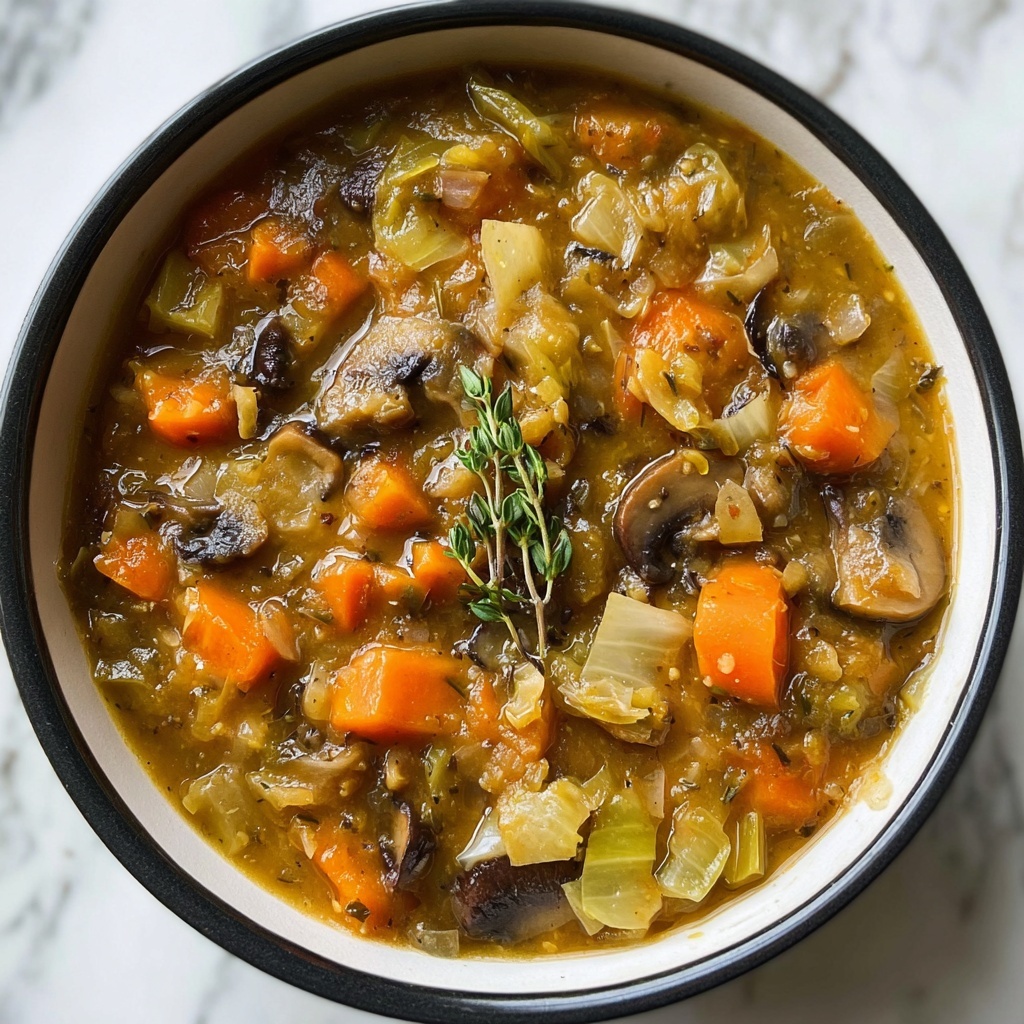
The Colonial Vegetable Pottage Recipe is a heartwarming dish that blends simple, rustic ingredients into a rich and nourishing stew. This one-pot wonder is filled with tender root vegetables, fresh cabbage, mushrooms, and wholesome oats simmered in fragrant herbs and stock. It’s the perfect cozy meal that feels both wholesome and deeply comforting, echoing the flavors enjoyed in early colonial kitchens. Whether you’re craving something earthy or looking to explore traditional culinary roots, this recipe will quickly become a treasured favorite.
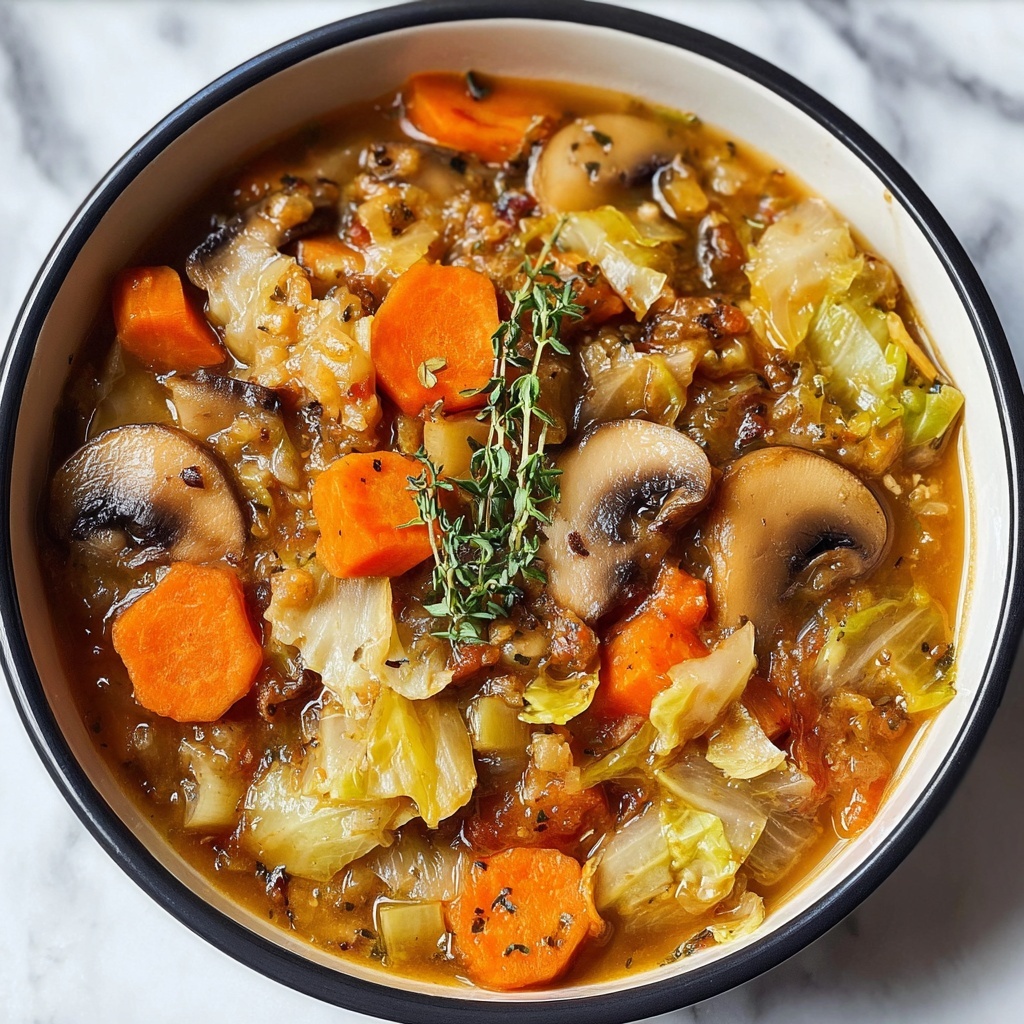
Ingredients You’ll Need
Each ingredient in this Colonial Vegetable Pottage Recipe plays a vital role in creating its unique tapestry of flavors and textures. From the sweetness of the carrots to the earthiness of the mushrooms, every element is essential to crafting a truly authentic pottage experience.
- Carrots: Provide a natural sweetness and vibrant orange hue that brightens the stew.
- Onion: Adds depth and a subtle, savory backbone to the dish.
- Root Vegetables (Parsnip or Turnip): Offer a slightly sweet and peppery flavor with a firm texture.
- Leek: Brings a gentle onion-like aroma that lifts the overall dish.
- Cabbage: Introduces a mild crunch and freshness that balances the heavier veggies.
- Mushrooms: Contribute an earthy richness and umami complexity.
- Dried Thyme: Gives a subtle herbal note that enhances the stew’s aromatic profile.
- Dried Rosemary: Adds piney, fragrant hints that complement the hearty vegetables.
- Ground Sage: Lends a warm, peppery spice perfect for this traditional recipe.
- Vegetable or Chicken Stock: The flavorful base that softens the veggies and binds everything together.
- Bay Leaf: Infuses the pottage slowly with a delicate, savory essence.
- Rolled Oats: Thickens the stew while adding wholesome texture and subtle nuttiness.
- Vinegar (such as Apple Cider): Brightens and balances all the richness with a hint of acidity.
- Kosher Salt and Black Pepper: Simply season to taste for the perfect finish.
How to Make Colonial Vegetable Pottage Recipe
Step 1: Cook Root Vegetables
Start with your carrots, onion, and choice of root vegetable like parsnip or turnip. Add these to a large pot with a bit of stock and gently cook over medium heat for about 10 minutes. This slow softening helps release natural sweetness and builds a hearty foundation while awakening the flavors early on.
Step 2: Add Remaining Vegetables and Herbs
Once those root veggies are just starting to soften, toss in the leeks, cabbage, mushrooms, and the delightful trio of dried thyme, rosemary, and sage. Stir and cook for an additional 5 minutes to marry these fresh and dried ingredients so their aromas mingle beautifully.
Step 3: Simmer with Stock
Next, pour in the remaining stock and add your bay leaf for that subtle undertone of flavor. Bring everything to a boil, then lower the heat to a gentle simmer, covering the pot partially. Let it simmer for about 30 minutes, letting all those vegetables become tender and the broth rich and fragrant.
Step 4: Add Oats
Now it’s time to add the rolled oats directly into the pot. Stir them in and simmer uncovered for another 20 minutes until the oats soften and thicken the pottage, lending it its signature creamy texture that feels incredibly satisfying with every spoonful.
Step 5: Season and Serve
Finally, remove the bay leaf and stir in a splash of apple cider vinegar to brighten the flavors. Season generously with kosher salt and freshly cracked black pepper to your liking. Serve the pottage steaming hot to enjoy the full depth of its comforting taste.
How to Serve Colonial Vegetable Pottage Recipe
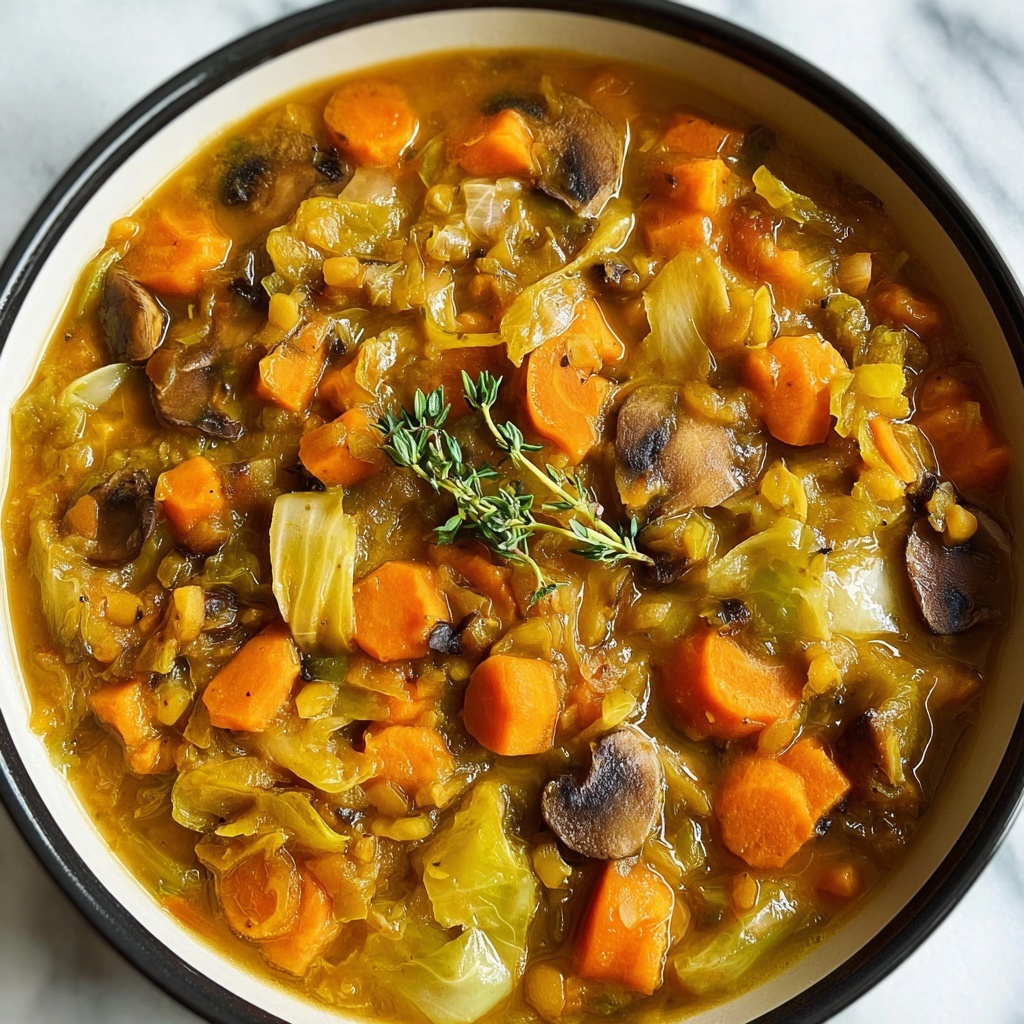
Garnishes
This pottage is naturally rustic but can be dressed up with simple garnishes. A sprinkle of fresh chopped parsley or thyme leaves adds a lovely pop of green and freshness. For a richer touch, a dollop of crème fraîche or a drizzle of extra virgin olive oil works beautifully to add silkiness atop the warm stew.
Side Dishes
Colonial Vegetable Pottage Recipe shines as a hearty main, but pairing it with crusty artisan bread or buttered corn muffins turns it into a complete, soul-satisfying meal. A crisp green salad with tangy vinaigrette also balances the dish with textural contrast and lightness.
Creative Ways to Present
For an inviting presentation, serve the pottage in rustic earthenware bowls to evoke that classic colonial charm. You could also ladle it into hollowed-out bread bowls for an edible vessel that makes mealtime fun and practical. Consider adding a sprinkling of toasted pumpkin seeds or nuts for a surprising crunch element.
Make Ahead and Storage
Storing Leftovers
Leftover Colonial Vegetable Pottage Recipe will happily keep in an airtight container in the refrigerator for up to four days. The flavors actually deepen with rest, making your next meal even tastier.
Freezing
This pottage freezes very well. Portion it into freezer-safe containers or heavy-duty bags, leaving some room for expansion, and store for up to three months. When you’re ready, thaw overnight in the fridge.
Reheating
Gently reheat the pottage on the stovetop over medium-low heat, stirring occasionally to ensure even warming. Add a splash of stock or water if it seems too thick. You can also reheat in the microwave, stirring halfway through.
FAQs
Can I use other vegetables in the Colonial Vegetable Pottage Recipe?
Absolutely! Feel free to experiment with other root vegetables or leafy greens. Just keep in mind that cooking times may vary slightly depending on the vegetables’ firmness.
Is this recipe vegetarian or vegan?
This recipe is vegetarian if made with vegetable stock, and vegan as long as you avoid animal-based broths. It’s naturally plant-forward and hearty enough to satisfy all diets.
Why do we use rolled oats in the pottage?
Rolled oats act as a gentle thickener that rounds out the texture without overpowering the flavors. They also add a subtle nuttiness and help keep the stew filling and nutritious.
Can I make this pottage ahead of time for a crowd?
Yes! The Colonial Vegetable Pottage Recipe is perfect for making in large batches. It stores well, and the flavors only improve after a day. It’s ideal for serving many guests with minimal fuss.
What’s the purpose of adding vinegar at the end?
The vinegar adds a bright note that balances the richness and earthiness of the vegetables and herbs. It also helps enhance the overall flavor, making every bite lively and fresh.
Final Thoughts
I truly hope you have as much joy making and sharing this Colonial Vegetable Pottage Recipe as I have. It’s a beautiful celebration of humble ingredients coming together to create something more than the sum of their parts — a cozy, nourishing hug in a bowl. Give it a try soon and savor the timeless flavors that bring a sense of history and heart to your table.
Print
Colonial Vegetable Pottage Recipe
- Prep Time: 15 minutes
- Cook Time: 55 minutes
- Total Time: 1 hour 10 minutes
- Yield: 36 servings
- Category: Soup
- Method: Stovetop
- Cuisine: Colonial American
- Diet: Vegetarian
Description
This Colonial Vegetable Pottage is a hearty, nutritious soup inspired by traditional colonial-era recipes. It combines a medley of root and leafy vegetables simmered with fragrant herbs and rolled oats to create a thick, comforting pottage perfect for a wholesome meal. With simple ingredients and gentle simmering, this recipe offers a warm, rustic dish that’s both satisfying and flavorful.
Ingredients
Vegetables
- 1 cup carrots, peeled and diced
- 1 cup onion, diced
- 1 cup root vegetable (parsnip or turnip), peeled and diced
- 1 cup leek, cleaned and roughly chopped
- 1 cup cabbage, roughly chopped
- 1 cup mushrooms (any variety), roughly chopped
Herbs and Seasonings
- ½ teaspoon dried thyme
- ½ teaspoon dried rosemary
- ½ teaspoon ground sage
- 1 bay leaf
- Kosher salt, to taste
- Freshly cracked black pepper, to taste
Liquids and Others
- 8 cups vegetable or chicken stock
- 1 cup rolled oats
- 1 tablespoon vinegar (such as apple cider vinegar)
Instructions
- Cook Root Vegetables: In a large pot or Dutch oven, combine the carrots, onion, root vegetables (parsnip or turnip), and ¼ cup of the stock. Cook over medium heat for 10 minutes, stirring occasionally, until the vegetables begin to soften.
- Add Remaining Vegetables and Herbs: Add the leeks, cabbage, mushrooms, dried thyme, dried rosemary, and ground sage to the pot. Cook for 5 minutes more, stirring occasionally to combine the flavors.
- Simmer with Stock: Pour in the remaining stock and add the bay leaf. Bring the mixture to a boil, then reduce the heat to low and simmer partially covered for 30 minutes, allowing the vegetables to become tender and the flavors to meld together.
- Add Oats: Stir in the rolled oats and continue to simmer uncovered for 20 minutes, until the oats are tender and the soup has thickened to a warm, hearty consistency.
- Season and Serve: Remove the bay leaf from the pot. Stir in the vinegar to add a slight tanginess, then season with kosher salt and freshly cracked black pepper to taste. Serve the pottage hot for a comforting meal.
Notes
- You can substitute the vegetable or chicken stock with homemade broth for added flavor.
- Feel free to add other root vegetables available, such as potatoes or rutabaga, to vary the texture and taste.
- The rolled oats help thicken the pottage naturally; avoid stirring aggressively to maintain texture.
- Adjust the vinegar quantity to your taste preference for acidity.
- This dish pairs well with rustic bread or a simple green salad for a complete meal.