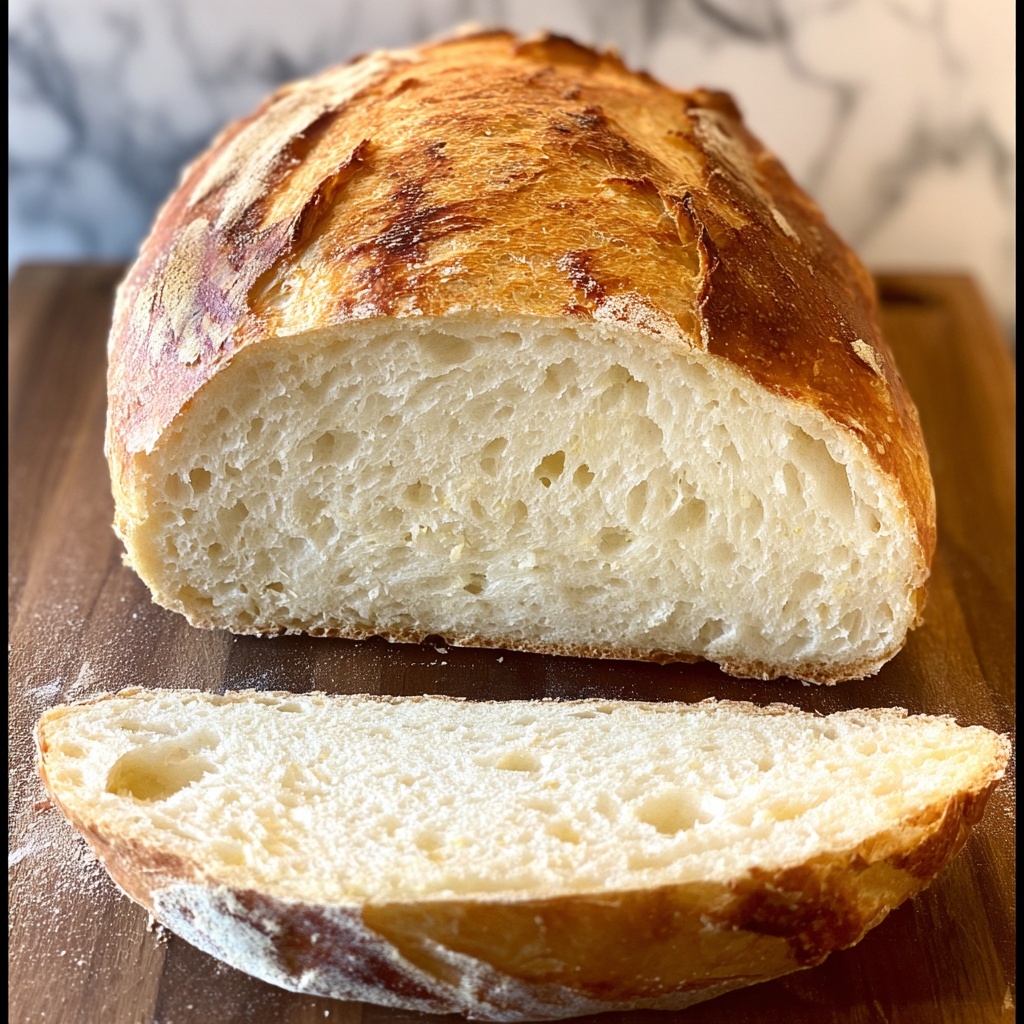
If there’s one kitchen classic that never fails to warm the heart and fill the home with irresistible aromas, it’s this Homemade Bread Recipe. With simple pantry staples and just a little patience, you can create a loaf that boasts a golden crust, pillowy soft interior, and that unmistakable fresh-baked goodness. This recipe is not only approachable for beginners but also incredibly rewarding—every bite a reminder of the love and care kneaded right into the dough. Once you master it, you’ll find that nothing quite beats the taste and satisfaction of homemade bread on your table.
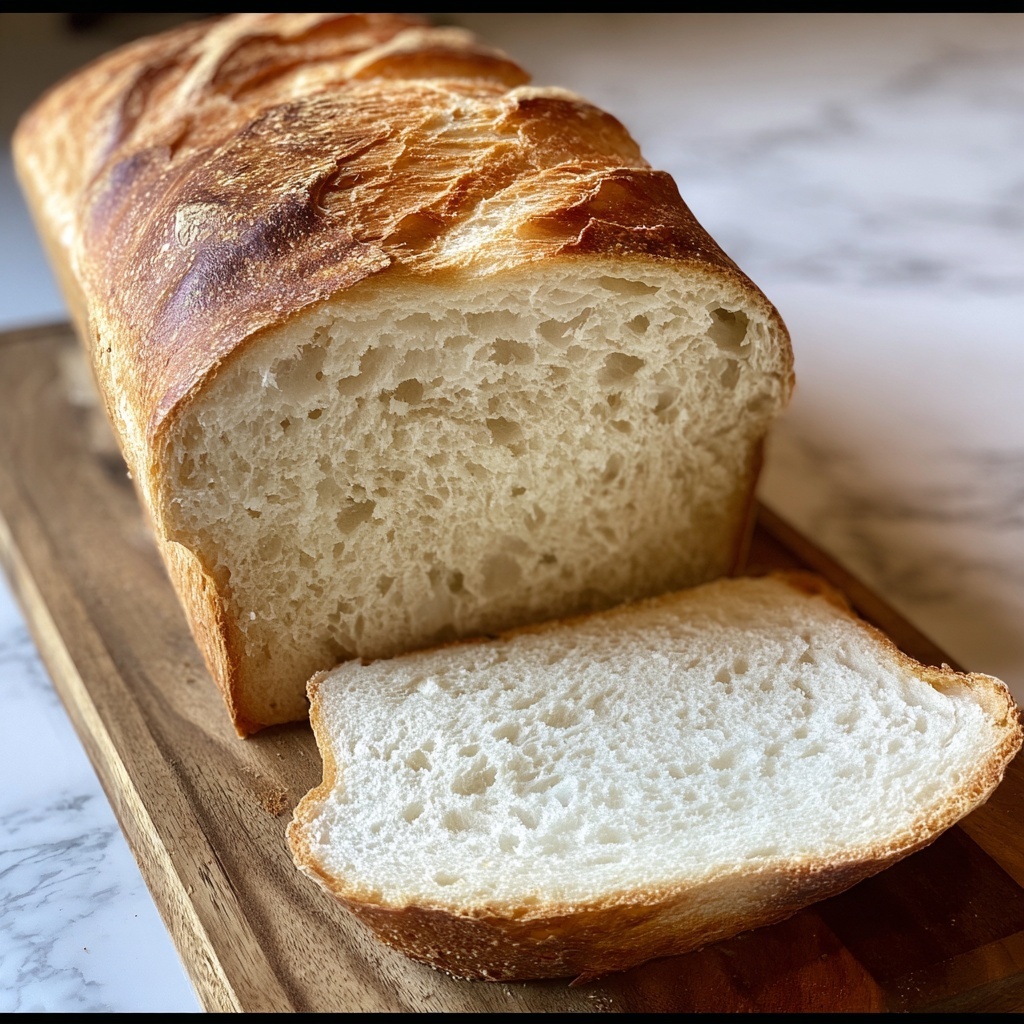
Ingredients You’ll Need
Don’t be fooled by the list: these ingredients are straightforward, yet each one plays a vital role in making your bread light, tender, and flavorful. From the flour providing structure to the yeast bringing your loaf to life, every item is a small but essential star in this Homemade Bread Recipe.
- 3 1/2 cups all-purpose flour: The backbone of your bread, all-purpose flour gives it structure and chew.
- 1 packet (2 1/4 tsp) active dry yeast: This little packet of magic makes your dough rise, creating airy texture.
- 1 1/4 cups warm water (110°F or 45°C): Warm water wakes up the yeast and helps it bloom for a perfect rise.
- 2 tablespoons sugar: A touch of sweetness provides food for the yeast and helps with browning.
- 2 tablespoons vegetable oil or melted butter: Adds richness and keeps the crumb tender.
- 1 teaspoon salt: Enhances flavor and balances the sweetness.
How to Make Homemade Bread Recipe
Step 1: Activate the Yeast
Begin by dissolving the sugar in warm water. This creates the perfect environment to wake up your yeast. Sprinkle the active dry yeast on top and wait 5 to 10 minutes until it becomes frothy and bubbly – this means your yeast is alive and kicking, ready to work its magic.
Step 2: Mix Initial Ingredients
Next, stir in the oil or melted butter and salt along with 2 cups of flour to the yeast mixture. This initial blend forms a sticky batter and starts building the foundation of your dough’s texture.
Step 3: Form the Dough
Gradually add the remaining flour in half-cup increments, mixing gently until a soft dough forms. The gradual mixing helps you control the dough’s consistency, preventing it from becoming too dry or too sticky—key to a perfect loaf.
Step 4: Knead to Perfection
Turn your dough onto a floured surface and knead for 8 to 10 minutes until it transforms into a smooth and elastic ball. Kneading is where you build the gluten structure, which gives your bread its chewy texture and helps it rise evenly.
Step 5: First Rise
Place the dough in a greased bowl and cover it with a damp cloth to retain moisture. Let it rest in a warm spot for about an hour, until it doubles in size. This waiting period rewards you by developing the dough’s flavor and volume.
Step 6: Shape and Second Rise
After the dough has risen, punch it down gently to release trapped air. Shape it into a loaf and place it in a greased 9×5-inch pan. Cover and allow the dough to rise once more for 30 to 40 minutes for that perfect fluffy structure.
Step 7: Bake Your Bread
Preheat your oven to 375°F (190°C) and bake the loaf for 25 to 30 minutes. Look for a golden brown crust and a hollow sound when you gently tap the bottom of the pan—these are the classic signals of perfectly baked bread.
Step 8: Cool and Enjoy
Remove the bread from the pan and place it on a wire rack to cool completely. Cooling ensures the crumb firms up just right so that when you slice it, your bread stays tender without getting gummy.
How to Serve Homemade Bread Recipe
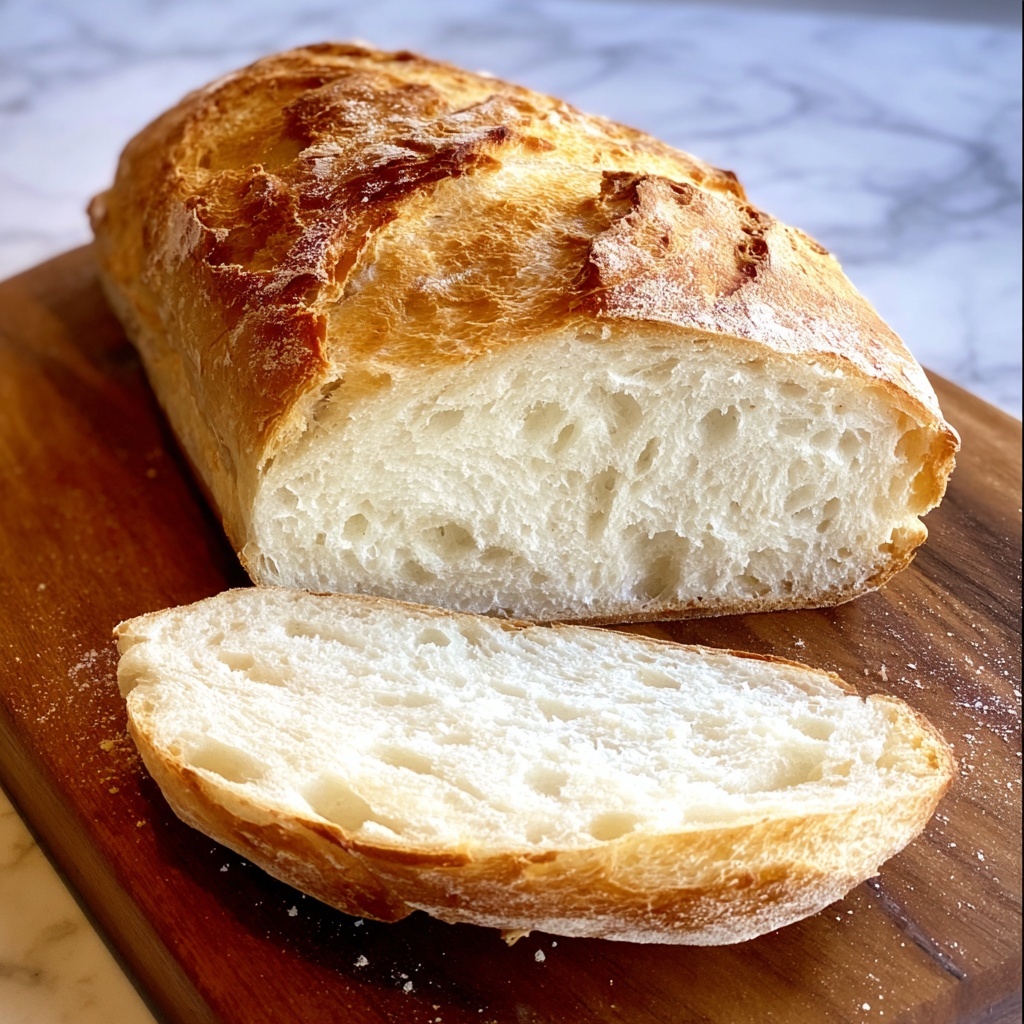
Garnishes
While this bread shines beautifully on its own, you can add a little flair with some fresh herbs like rosemary or thyme sprinkled lightly on top before baking for an aromatic crust. A light brush of melted butter while warm also elevates its rich flavor and gives it a lovely sheen.
Side Dishes
This homemade bread pairs wonderfully with so many dishes. Serve it alongside hearty soups, fresh salads, or even your favorite cheese and charcuterie boards. It’s a versatile companion that complements everything from cozy stews to light Mediterranean spreads.
Creative Ways to Present
Looking to impress your guests? Slice your loaf thick and toast with garlic and olive oil for bruschetta or use it as the base for cottage sandwiches piled high with fresh veggies and meats. Small bread bowls for creamy dips also make a charming presentation that’s both tasty and Instagram-worthy.
Make Ahead and Storage
Storing Leftovers
Your homemade bread stays fresh the best when stored in a breathable paper bag or wrapped loosely in a kitchen towel at room temperature for up to 2 days. Avoid airtight containers unless freezing, as bread tends to become soggy without air circulation.
Freezing
Wrap your loaf tightly in plastic wrap followed by aluminum foil before freezing. This method locks in moisture and prevents freezer burn. When properly stored, your bread can remain fresh for up to 3 months, so you can bake ahead without worry.
Reheating
To bring back that just-baked feeling, reheat slices in a toaster or warm the whole loaf in an oven preheated to 350°F (175°C) for about 10-15 minutes. Adding a bit of water to the crust surface before warming can restore moisture and softness.
FAQs
Can I use whole wheat flour in this Homemade Bread Recipe?
Absolutely! You can substitute part or all of the all-purpose flour with whole wheat flour to add a nutty flavor and extra fiber, although you might need to adjust the water slightly as whole wheat flour absorbs more moisture.
What if my dough doesn’t rise?
If your dough fails to rise, it’s usually due to inactive yeast or water that’s too hot or cold. Make sure your water is just warm, and check the yeast’s expiration date. Starting with fresh yeast and the right temperature will ensure a good rise.
Can I make this bread without oil or butter?
Yes, you can omit the oil or butter for a leaner bread, but keep in mind this will affect the texture and crumb softness. The bread may be slightly drier or chewier without fat.
How long does it take to make this Homemade Bread Recipe?
The total time including rising is about 2 hours. Most of that time is hands-off rising, so the active work involves mixing and kneading for around 20 minutes.
Can I add herbs or seeds to this bread?
Definitely! Adding herbs like rosemary, thyme, or seeds such as sesame or poppy on top before baking can add lovely aroma and texture, personalizing your bread to your taste.
Final Thoughts
There’s nothing quite as satisfying as pulling a warm loaf from the oven that you made with your own hands. This Homemade Bread Recipe is a wonderful place to start your baking journey or revisit a beloved favorite. It’s approachable, delicious, and perfect for sharing with those you love. So grab your mixing bowl, roll up your sleeves, and enjoy the simple joy of homemade bread – your kitchen will thank you.
Print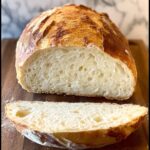
Homemade Bread Recipe
- Prep Time: 20 minutes
- Cook Time: 30 minutes
- Total Time: 2 hours
- Yield: 1 loaf (about 12 slices)
- Category: Bread
- Method: Baking
- Cuisine: American
Description
This homemade bread recipe yields a classic, soft, and fluffy loaf with a golden crust. Using simple ingredients like all-purpose flour, active dry yeast, and warm water, this bread is perfect for beginners and bread lovers alike. The process involves mixing, kneading, proofing, and baking to create a delicious, fresh bread ideal for sandwiches or toast.
Ingredients
Dry Ingredients
- 3 1/2 cups all-purpose flour
- 1 packet (2 1/4 tsp) active dry yeast
- 2 tablespoons sugar
- 1 teaspoon salt
Wet Ingredients
- 1 1/4 cups warm water (110°F or 45°C)
- 2 tablespoons vegetable oil or melted butter
Instructions
- Activate Yeast: Dissolve sugar in warm water in a large mixing bowl. Sprinkle yeast on top and let sit for 5-10 minutes until frothy, indicating the yeast is active.
- Combine Ingredients: Add oil or melted butter, salt, and 2 cups of flour to the yeast mixture. Stir to combine into a rough batter.
- Add Remaining Flour: Gradually mix in the remaining flour, 1/2 cup at a time, until a soft dough forms that is not too sticky.
- Knead Dough: Turn the dough onto a floured surface and knead for 8-10 minutes until the dough becomes smooth, elastic, and slightly tacky but not sticky.
- First Rise: Place the dough in a greased bowl, cover it with a damp cloth, and let it rise in a warm place for about 1 hour or until it doubles in size.
- Shape and Second Rise: Punch down the risen dough to release air. Shape it into a loaf and place it into a greased 9×5-inch loaf pan. Cover and let it rise for another 30-40 minutes until it sizeably puffs up.
- Bake Bread: Preheat your oven to 375°F (190°C). Bake the loaf for 25-30 minutes or until the crust is golden brown and it sounds hollow when tapped.
- Cool: Remove the bread from the pan and cool completely on a wire rack before slicing to ensure the best texture.
Notes
- Ensure water temperature is not too hot to avoid killing the yeast.
- Using melted butter instead of vegetable oil adds richness to the bread.
- Letting the bread cool properly ensures clean slices and preserves texture.
- You can add herbs or seeds to the dough for added flavor and texture.