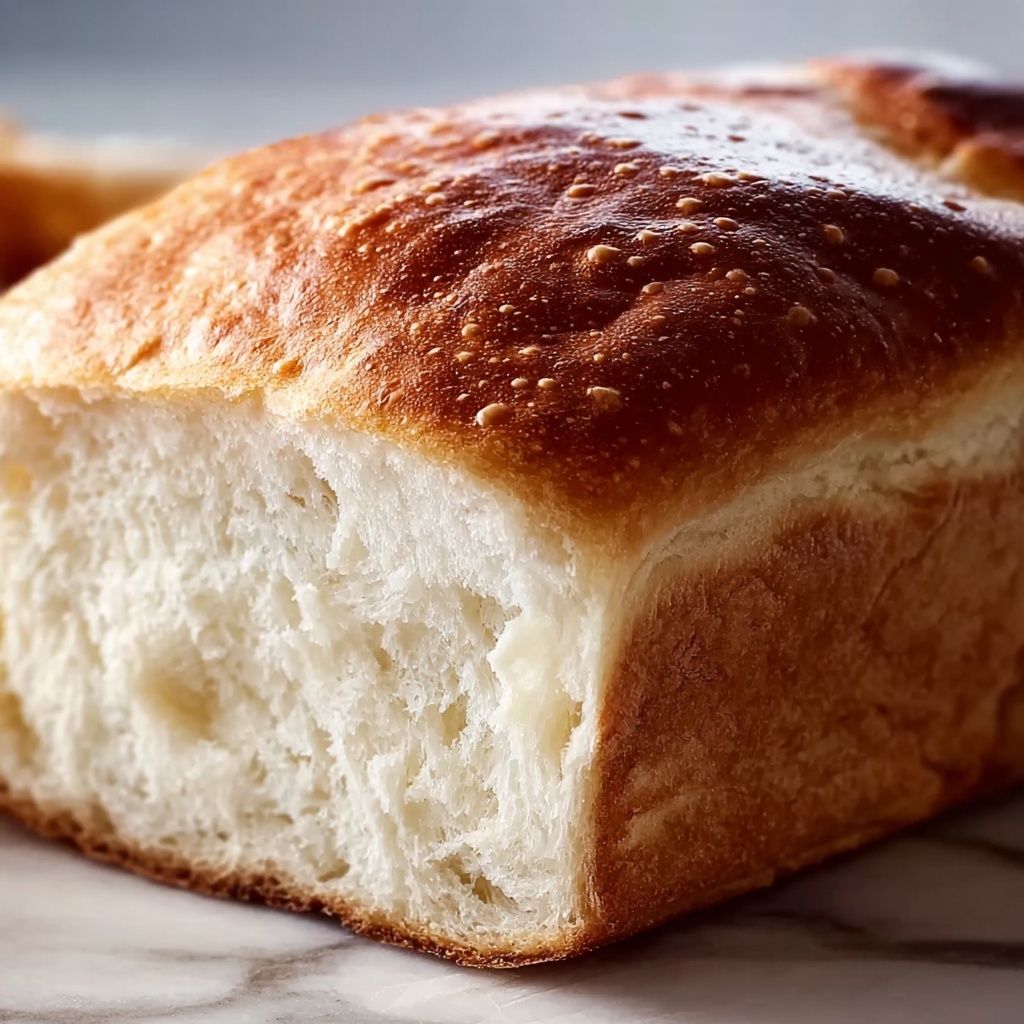
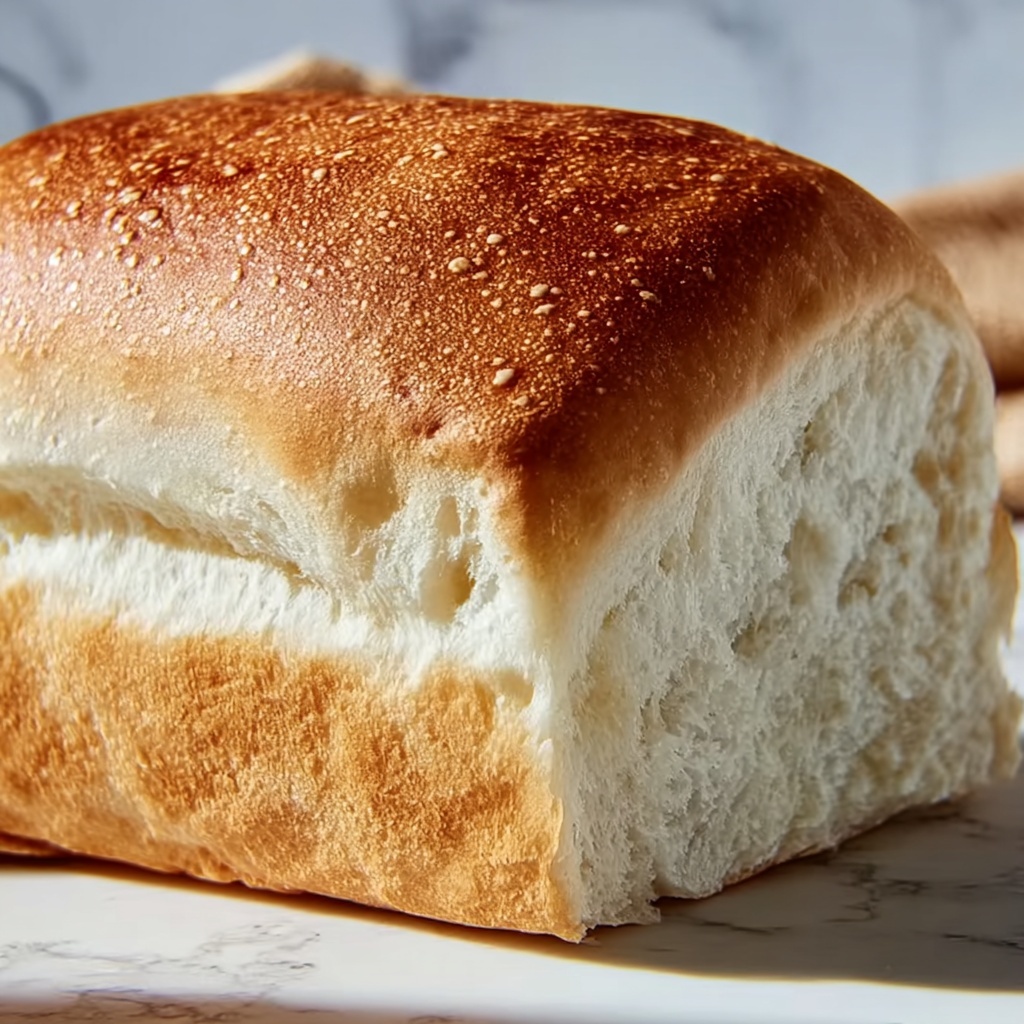
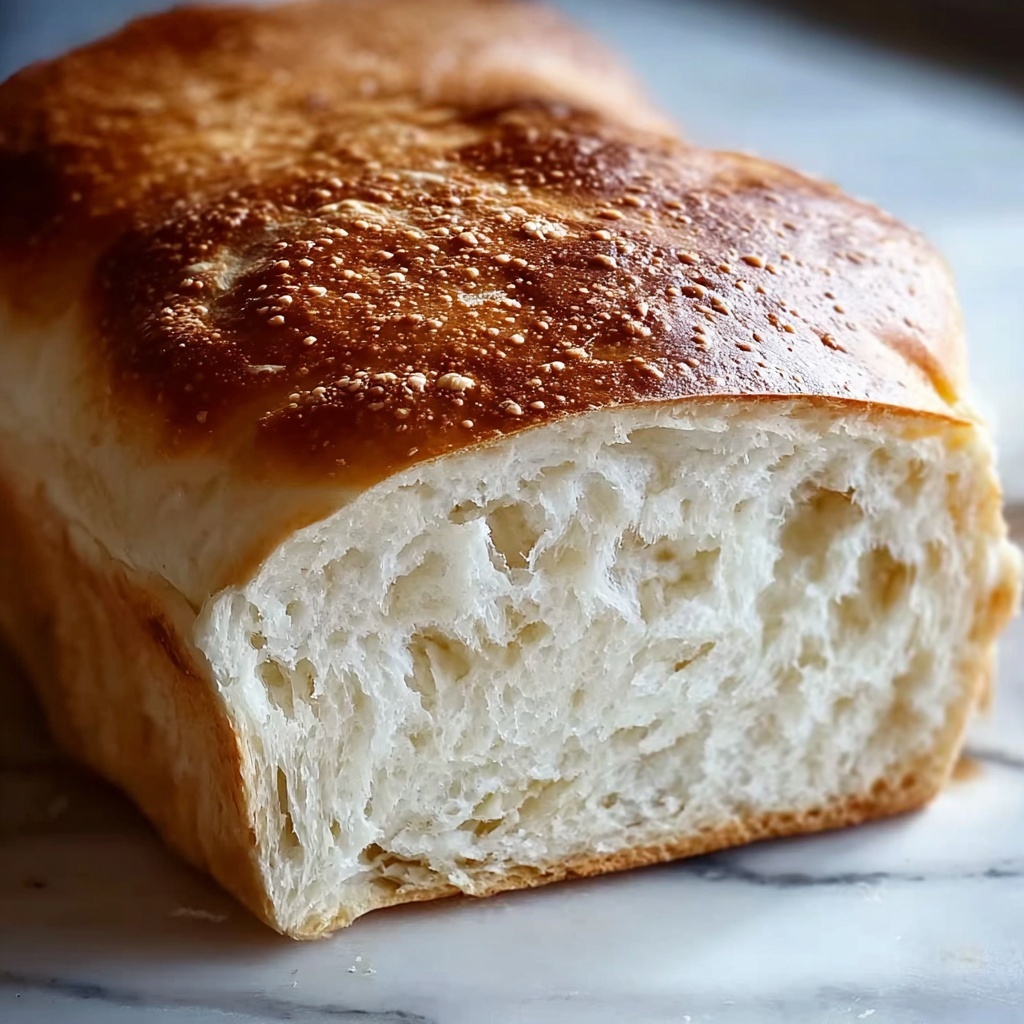
If you have ever dreamed of baking your own bread but felt intimidated by complicated recipes, this Soft Homemade Bread Dough Recipe is here to change all that. Imagine pulling a warm, pillowy loaf from your oven, with a crust that gently crackles and a tender crumb that melts in your mouth—the perfect base for every meal or a simple snack. This recipe brings together simple ingredients and straightforward steps to create a wonderfully soft bread dough that anyone can master, filling your kitchen with the inviting aroma of fresh-baked goodness.
Ingredients You’ll Need
Each ingredient in this Soft Homemade Bread Dough Recipe plays a vital role in building both flavor and texture, yet they are all pantry staples that most home cooks already have on hand. From the active dry yeast that gives life and lift to the dough to the oil and butter that enrich the crumb, these ingredients come together beautifully to create a soft, elastic dough.
- 2 1/4 tsp active dry yeast: This packet of yeast is what makes the dough rise and become airy and soft.
- 1 tbsp sugar: Feeds the yeast, helping it activate and adding a subtle sweetness to the bread.
- 1 1/4 cups warm water (110°F or 45°C): Perfect temperature for activating yeast without killing it.
- 3 1/2 cups all-purpose flour: The backbone of your dough, providing structure and chew.
- 1 tsp salt: Balances flavor and controls yeast activity for a perfect rise.
- 2 tbsp olive oil (or vegetable oil): Adds moisture for tenderness and a soft crumb.
- 1 tbsp butter (optional): Makes the dough even softer and adds a rich flavor.
How to Make Soft Homemade Bread Dough Recipe
Step 1: Activate the Yeast
Start with warm water and sugar—combine them gently in a bowl to create the perfect welcoming bath for your yeast. Sprinkle the yeast on top and give it a gentle stir. Within minutes, the mixture should bloom with frothy bubbles; this lively mixture is the foundation for the airiness that will define your bread.
Step 2: Mix the Dough
In a large bowl, mix your flour and salt to marry those dry essentials. Create a well in the center where the magical yeast mixture and olive oil will join them. Stir everything together with a spoon until the ingredients come together into a rough dough. This is just the beginning of the dough’s transformation.
Step 3: Knead the Dough
Turn your dough onto a floured surface to knead. This part is hands-on fun—press, fold, and stretch the dough for 8 to 10 minutes. The dough will gradually become smooth, elastic, and slightly tacky. Take care not to add too much extra flour during kneading, as this can toughen your bread. Your hands will know when the dough is ready.
Step 4: Let It Rise
Grease a clean bowl lightly with oil or butter, then nestle your dough inside, turning it to coat all sides. Covering the bowl will keep the dough cozy and moist as it rests in a warm spot. In about 1 to 1.5 hours, watch with delight as your dough doubles in size—proof that the yeast is hard at work creating tiny gas bubbles that lighten the dough.
Step 5: Shape the Dough
Gently punch down your dough to release the trapped air and transfer it back onto a floured surface. Now’s your chance to be creative—shape the dough into a classic loaf or divide it into rolls or buns. The dough is forgiving and fun to work with, ready to take the shape you desire.
Step 6: Second Rise
Set your shaped dough onto a baking sheet or into a loaf pan, cover it again, and let it rise for another 30 to 45 minutes. This final rest gives the dough time to puff up just right, becoming soft and airy inside, and prepares it for baking into golden perfection.
Step 7: Bake the Bread
With your oven preheated to 375°F (190°C), bake your dough for 25 to 30 minutes if you chose rolls, or 30 to 35 minutes for a loaf. The bread will turn golden brown on top and sound hollow when tapped underneath, a classic sign it’s done. This warm transformation brings your dough to life, delivering incredible texture and flavor.
Step 8: Cool and Serve
Patience now pays off—let the bread cool on a wire rack before slicing. This step ensures the crumb sets properly, avoiding any squishiness. Once cooled, slice into your soft homemade bread and savor each warm, tender bite fresh from your kitchen.
How to Serve Soft Homemade Bread Dough Recipe
Garnishes
A simple swipe of butter or drizzle of honey is all you need to highlight the bread’s beautiful softness and subtle flavor. For a little extra flair, sprinkle some sea salt or brush the crust with a garlic and herb oil. These touches enhance the comforting qualities of your homemade bread without overpowering it.
Side Dishes
This bread is a versatile companion to countless dishes. Pair it with hearty soups or stews to soak up all the delicious juices, use it as the base for sandwiches, or serve alongside a cheese board for an easy yet impressive appetizer. The softness of this bread makes every bite a pleasure alongside savory or sweet accompaniments.
Creative Ways to Present
Turn your Soft Homemade Bread Dough into mini sliders, soft garlic knots, or braided loaves for festive occasions. You can also slice it thick and toast it for dinner bruschetta or layer it with avocado and fresh tomatoes for a casual brunch. The possibilities are endless when you start with such a reliable and delightful dough.
Make Ahead and Storage
Storing Leftovers
Keep your leftover bread fresh by wrapping it in a clean kitchen towel or storing it in an airtight container at room temperature. The bread should stay soft for a day or two, perfect for enjoying without the need to reheat.
Freezing
If you want to extend the life of your bread, freeze it after it has completely cooled. Wrap it tightly in plastic wrap and then in foil or a freezer bag. Frozen dough or baked bread can keep for up to three months, providing you with fresh bread anytime you need it.
Reheating
To bring back that fresh-baked warmth, reheat slices in a toaster or wrap the loaf in foil and warm it in the oven at 350°F (175°C) for 10–15 minutes. This revives the bread’s soft texture and brings back its enticing aroma.
FAQs
Can I use whole wheat flour instead of all-purpose flour?
You can substitute whole wheat flour, but keep in mind it will create a denser dough and a heartier flavor. For best results, try using half whole wheat and half all-purpose flour to maintain softness.
What if my dough doesn’t rise?
Ensure your water is the right temperature and that your yeast is fresh. If the dough hasn’t risen within the suggested time, it might be too cold or the yeast has lost activity. Starting over with fresh yeast can help.
Can I add herbs or cheese to the dough?
Absolutely! Adding herbs, garlic, or shredded cheese to the dough before the first rise can add wonderful flavor. Just be mindful that extra ingredients may slightly alter rise times and texture.
Is it necessary to knead the dough for 8-10 minutes?
Kneading develops gluten, which gives the bread structure and chew. While times may vary a bit, 8-10 minutes ensures a smooth and elastic dough that rises well and bakes beautifully.
Can I make the dough in a bread machine?
Yes, most bread machines have a dough cycle that will activate the yeast, knead, and allow the dough to rise—just add the ingredients according to your machine’s instructions and bake separately or finish as desired.
Final Thoughts
There is something genuinely magical about transforming simple ingredients into a soft, fragrant loaf of homemade bread, and this Soft Homemade Bread Dough Recipe truly delivers on that promise. Whether you are a seasoned baker or just starting out, this recipe invites you to enjoy the comforting process and rewarding results of making bread at home. So roll up your sleeves, get your hands floury, and treat yourself to the pure joy of fresh-baked bread made your way.
Print
Soft Homemade Bread Dough Recipe
- Prep Time: 15 minutes
- Cook Time: 30 minutes
- Total Time: 2 hours 15 minutes
- Yield: 1 loaf or 8-10 rolls
- Category: Bread
- Method: Baking
- Cuisine: American
- Diet: Vegetarian
Description
This Soft Homemade Bread Dough recipe guides you through creating delicious, fluffy bread from scratch using simple ingredients. With a few stages of rising and kneading, you’ll achieve a soft, elastic dough perfect for loaves, rolls, or buns with a golden crust and tender crumb.
Ingredients
Dough Ingredients
- 2 1/4 tsp active dry yeast (1 packet)
- 1 tbsp sugar
- 1 1/4 cups warm water (110°F or 45°C)
- 3 1/2 cups all-purpose flour (more for dusting)
- 1 tsp salt
- 2 tbsp olive oil (or vegetable oil)
- 1 tbsp butter (optional, for softening the dough)
Instructions
- Activate the Yeast: In a small bowl, combine the warm water and sugar. Sprinkle the yeast over the water and stir gently. Let it sit for 5-10 minutes until frothy and bubbly, indicating that the yeast is active.
- Mix the Dough: In a large mixing bowl, combine the flour and salt. Create a well in the center and pour in the yeast mixture and olive oil. Stir with a spoon until the dough starts to come together.
- Knead the Dough: Transfer the dough to a lightly floured surface and knead for 8-10 minutes until smooth, elastic, and slightly tacky. Add a small amount of flour if sticky, but avoid over-flouring to keep the bread light.
- Let It Rise: Grease a clean bowl with oil or butter. Place the dough in the bowl, turning it to coat with oil. Cover with a damp towel or plastic wrap and let it rise in a warm spot for 1 to 1.5 hours until doubled in size.
- Shape the Dough: After rising, gently punch down the dough to release air. On a floured surface, shape into a loaf or divide into rolls or buns as desired.
- Second Rise: Place shaped dough on a baking sheet or in a loaf pan. Cover and let it rise again for 30-45 minutes until puffed and slightly raised.
- Bake the Bread: Preheat oven to 375°F (190°C). Bake rolls for 25-30 minutes or a loaf for 30-35 minutes until golden brown and hollow-sounding when tapped.
- Cool and Serve: Cool bread on a wire rack before slicing. Serve and enjoy your fresh, soft homemade bread!
Notes
- Ensure water is warm but not hot to avoid killing the yeast.
- Kneading time is crucial for developing gluten for a soft texture.
- You can substitute olive oil with vegetable oil as preferred.
- Butter is optional but adds extra softness and flavor.
- Use a thermometer to monitor oven temperature for best baking results.
- Letting the bread cool completely before slicing prevents crumb from becoming gummy.